Hollywood and the Machine: Inside the Industry's Very Real Reckoning with Artificial Intelligence
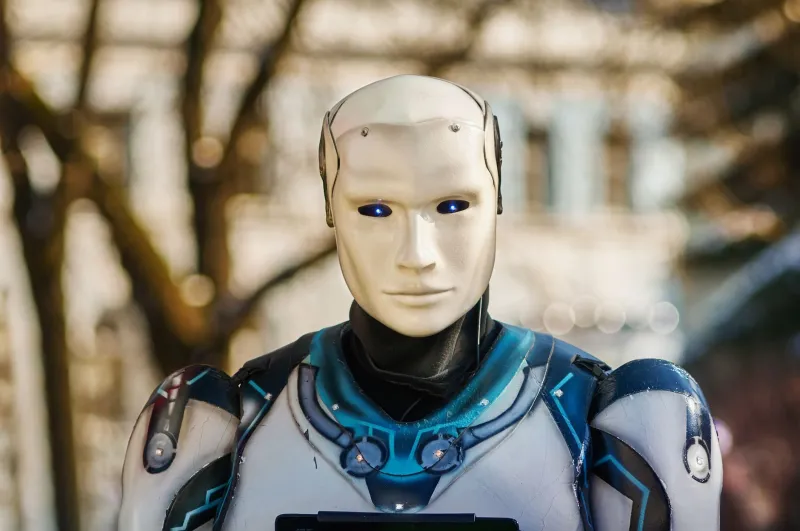
Not long ago, the idea of a computer writing a screenplay or generating a photorealistic actor performance would have sounded like the plot of a bad sci-fi movie. Today, it's Tuesday in Hollywood. Artificial intelligence has arrived in the entertainment industry with the subtlety of a summer blockbuster explosion, and virtually everyone with a stake in filmmaking—from A-list actors and veteran screenwriters to studio executives and independent producers—is trying to figure out what it means for their livelihood, their craft, and the art form itself.
At TrueMovie2U, we spend a lot of time thinking about what makes movies matter. So when a technology comes along that threatens to fundamentally reshape how films get made—and who, or what, makes them—we think it's worth taking seriously. Here's where things actually stand.
The Strike That Changed Everything
The 2023 SAG-AFTRA and WGA strikes brought AI from backstage conversation to front-page news. Writers walked picket lines over studios' proposals to use AI tools to generate scripts or rewrite human-drafted material at reduced cost. Actors demanded protections against studios digitally scanning their likenesses and deploying those scans in perpetuity without compensation. These weren't hypothetical concerns—they were responses to things studios were already doing or openly considering.
The strikes produced hard-won contractual language around AI use, but many in the industry view those provisions as a temporary fix rather than a permanent solution. Technology moves faster than labor agreements, and the AI tools available today are already more sophisticated than the ones being discussed at the negotiating table.
"The contracts are a start, but they're already playing catch-up," one veteran screenwriter told us, speaking on background. "By the time the ink dried, the technology had moved on."
What AI Is Actually Being Used For Right Now
Let's be specific, because the conversation around AI in Hollywood often gets frustratingly vague. Here's what's actually happening in production pipelines today:
Script development: Several studios and production companies are using large language model tools to analyze existing scripts, generate coverage, identify structural issues, and even produce rough first-draft material. Some writers use AI as a brainstorming assistant; others are being pressured to use it as a cost-cutting substitute for junior writing staff.
Visual effects and de-aging: AI-assisted VFX has been used to de-age actors in films like "Indiana Jones and the Dial of Destiny" and "The Irishman." The results are improving rapidly and the costs are dropping just as fast. What once required enormous crews and months of post-production work can now be accomplished with smaller teams using AI-augmented tools.
Casting and audience analysis: Studios are increasingly using AI-driven data analysis to inform casting decisions—feeding algorithms viewership data, social media engagement metrics, and historical box office performance to predict which combinations of actors and genres will perform best with target demographics. Whether you find that rational or chilling probably depends on how much you love movies.
Marketing and trailers: AI tools are being used to generate localized marketing materials, test multiple versions of trailers with different audience segments, and even create promotional content that never existed in the original film. This is already widespread and largely invisible to consumers.
The Creative Case For and Against
Proponents of AI in filmmaking argue that the technology is, at its core, just another tool—like the camera, the editing suite, or CGI. Every major technological shift in Hollywood history was met with resistance and then absorbed into the creative process. Sound threatened silent film artists. Color threatened black-and-white cinematographers. Digital editing threatened the traditional cutting room. Each time, the art form adapted and often expanded.
There's a genuine case to be made that AI can democratize filmmaking. Independent creators who can't afford large crews or expensive VFX houses can use AI tools to realize visual ambitions that would otherwise be completely out of reach. That's not nothing—it could produce a wave of truly independent cinema unlike anything we've seen.
But here's where the skeptics have a point worth taking seriously: there's a meaningful difference between a tool that helps human artists realize their vision and a system that generates content by pattern-matching existing human work without attribution, compensation, or creative intent. The latter isn't just ethically murky—it may produce a kind of cinematic junk food that looks like nutrition but doesn't nourish anything.
"AI can simulate the surface of emotion without understanding it," director and filmmaker Ava DuVernay said in a 2023 interview. "Cinema is about human beings communicating something true to other human beings. That's not something you can automate."
The Actor's Dilemma
For actors, the stakes are particularly visceral. The possibility of a studio scanning your face, your voice, your physical presence—and then deploying a digital version of you in projects you never agreed to, for fees far below your market rate—isn't science fiction. It's a clause that studios actively tried to insert into contracts before the unions pushed back.
But the issue isn't limited to major stars who have agents and lawyers watching their backs. Background actors and extras are especially vulnerable. Several productions have already used AI to generate crowds, reducing or eliminating the need to hire human extras. For performers at the beginning of their careers who rely on background work to build experience and income, that's not an abstract threat.
Meanwhile, some actors are cautiously exploring AI as a tool for their own craft—using AI-generated script analysis, character research tools, and rehearsal simulations. The technology isn't uniformly adversarial; it's complicated.
What Studios Are Betting On
For studio executives, AI represents something specific: cost reduction and risk mitigation. Hollywood has always been a business, and AI offers the prospect of cheaper development, faster production timelines, and more data-driven decision-making. In an era of rising production costs and uncertain streaming economics, that's a genuinely attractive proposition.
The risk is that optimizing for efficiency at the expense of creative risk-taking produces exactly the kind of safe, algorithmically validated content that audiences are increasingly tuning out. The films that break through culturally—that generate the passionate fandoms and word-of-mouth buzz that no marketing budget can buy—are almost always the ones that took genuine creative chances. Machines are not known for their appetite for risk.
Where Does This Leave Cinema?
Honestly? In a genuinely uncertain place. The optimistic view holds that AI will become another layer of the filmmaking toolkit—useful, powerful, but ultimately in service of human storytelling. The pessimistic view sees a future where studios use AI to generate adequate content at scale, squeezing out the messy, expensive, unpredictable human creativity that produces great art.
The truth is probably somewhere in the middle, and it's going to be shaped significantly by the choices audiences make. If we keep showing up for films that feel genuinely human—that take risks, surprise us, and treat us as intelligent viewers—we create market conditions that reward that kind of filmmaking. If we're content with algorithmically optimized content that checks familiar boxes, we'll get more of it.
At TrueMovie2U, we're watching this space closely. We believe in real movies—films made by human beings with something to say, for audiences willing to listen. AI may change the tools available to those filmmakers, but it can't change what makes cinema matter. At least, we hope not.