Your Streaming Queue Can't Delete This: The 2026 Physical Media Revival
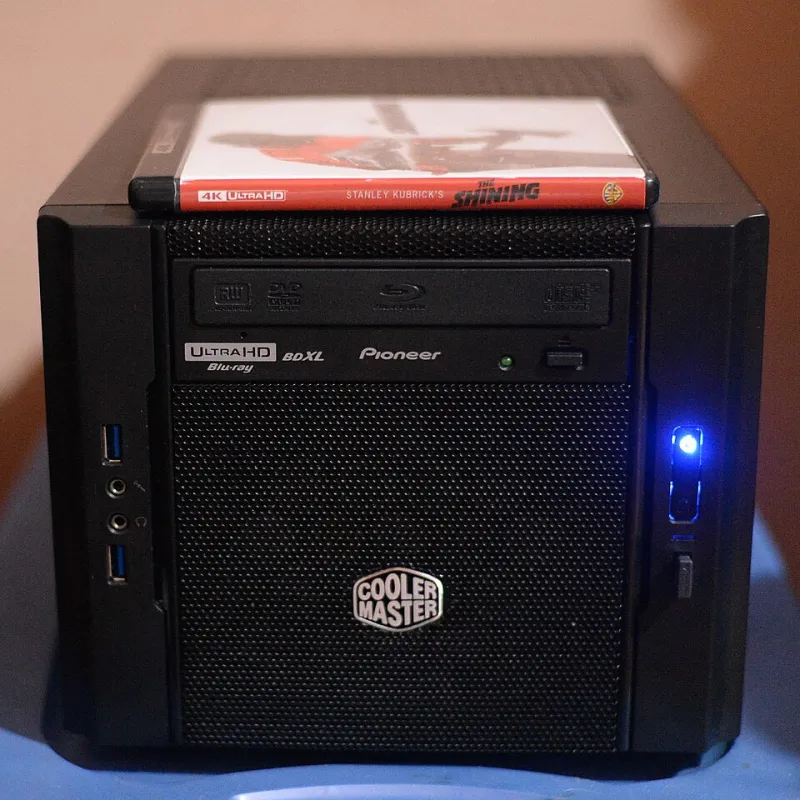
Photo: Danino2200, CC BY-SA 4.0, via Wikimedia Commons
For years, the story was simple: discs were dead, streaming won, and anyone still buying Blu-rays was just refusing to clean out the closet. In 2026, that story looks a lot less tidy. Walk into a Barnes & Noble, a local record shop, or a specialty video store and you will find something the industry did not exactly plan for: movie fans buying physical media again. Not everyone. Not at Walmart-scale. But enough to keep boutique labels busy, limited editions selling out, and 4K UHD shelves looking healthier than they have in a decade.
This is not a full-blown comeback story. It is something more interesting: a quiet, selective revival built around the idea that owning a movie still means something.
The 'Leaving Soon' Problem
Streaming is convenient until it is not. A title you planned to watch disappears because a licensing deal expired. A favorite movie moves to another service. A director's cut gets replaced by a different version. An episode gets edited. A catalog title simply goes dark.
By 2026, most US movie fans have been burned at least once. They have added something to a watchlist and then watched it vanish. That is the emotional engine behind the physical media revival. A disc is not just a nostalgia object. It is insurance. If you own the movie, no corporate calendar can take it away from you.
That matters more as streaming libraries get leaner and more expensive. Subscribers are already doing the math on how many services they actually need. A physical copy is a different kind of math: pay once, keep it, watch it whenever you want, and never get a notification that it is leaving at the end of the month.
Who's Actually Buying
The stereotype is that physical media is for older collectors who never got rid of their DVD players. The reality is broader. Boutique labels are selling to millennials who grew up with DVD extras and now want better transfers. Gen Z film fans are discovering the pleasure of a shelf that reflects their taste. Parents are building small libraries for kids because they do not want every family movie night to depend on a password and a Wi-Fi signal.
There are also the practical buyers: people in rural areas with spotty broadband, film students who need reliable access to specific titles, and collectors who care about packaging, booklets, and commentary tracks. These are not all the same customer, but they are all willing to pay for a movie they can hold.
That is why the revival feels less like a mass-market trend and more like a durable subculture. The people buying are not trying to replace streaming entirely. They are building a personal canon.
Boutique Labels Are the Engine
If physical media is having a moment, boutique labels are the ones driving it. Criterion, Arrow, Shout! Factory, Vinegar Syndrome, Kino Lorber, and Warner Archive have turned catalog releases into events. They restore films, commission new artwork, dig up archival interviews, and package everything like it matters.
That is the key difference between the old DVD boom and the 2026 version. This is not about grabbing whatever is in the bargain bin. It is about curated releases with real care behind them. A 4K restoration of a cult film can feel like a cultural rescue mission. A limited edition with a book and a poster can sell out before some people even hear about it.
Studios have noticed. Licensing catalog titles to boutique labels is a way to make money from films that might otherwise sit unused. For movie lovers, it is a way to get versions of films that streaming services often treat as filler.
The Cost of Ownership
Let us be honest: physical media is not cheap. A new 4K release can run $30 to $50. Players cost money. Shelves take up space. If you buy indiscriminately, you will end up with a closet full of movies you watched once.
But the revival is not really about buying everything. It is about buying deliberately. Many collectors now treat discs the way music fans treat vinyl: buy the titles you love, buy the ones that are hard to find, buy the ones with worthwhile extras, and skip the rest. That makes the cost easier to justify. A $40 release feels different when you know you will revisit it, lend it to a friend, and actually own it.
There is also a resale market. Limited editions hold value. Out-of-print discs become collectible. That does not make physical media an investment, but it does make it less of a one-way expense than a monthly subscription.
What This Means for Movie Lovers
The physical media revival is not a rejection of streaming. Most people doing it still subscribe to something. The point is that ownership and access are not the same thing. A streaming library is a rental agreement with a nice interface. A shelf is a statement about what you care about.
In a subscription-first world, that statement matters. It says this movie is not just content. It is part of your life. The shelf strikes back, sure. But it is not striking back at streaming. It is striking back at amnesia.