Lost and Found (Mostly Lost): The Award-Winning Movies Hiding Somewhere in Your Streaming Subscriptions
Let's be real about something: you probably have four or five streaming subscriptions right now, and you spend a genuinely embarrassing amount of time scrolling through them without watching anything. You've seen the same algorithmically promoted titles cycle through your home screen for months. You've clicked on thumbnails, read descriptions, and closed the app to watch something you've already seen before.
Somewhere in those same platforms, there are films that won prizes at Sundance. Films that critics called masterworks. Films that picked up Independent Spirit Awards and foreign-language Oscar nominations. Films that you will almost certainly never stumble across on your own — because the platforms don't want you to find them.
This is the streaming orphan problem, and it's quietly one of the biggest issues facing film culture right now.
How Great Films Become Invisible
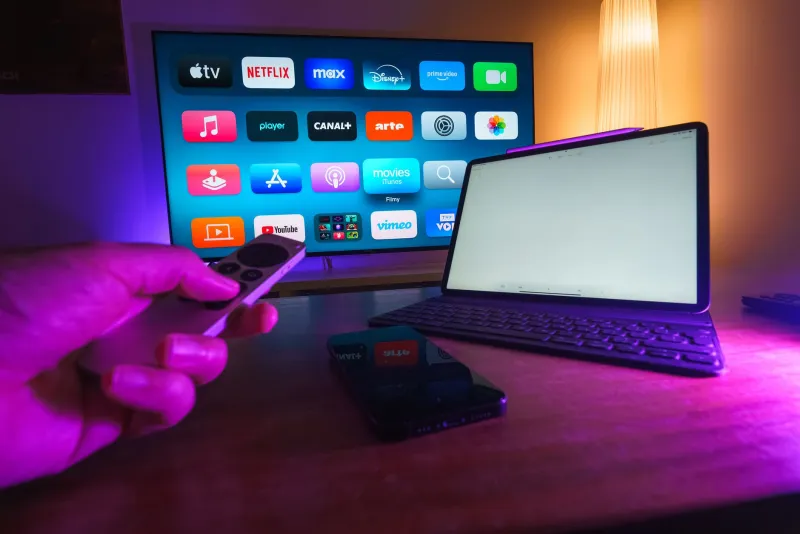
The discovery problem on streaming platforms is structural, not accidental. Every major platform — Netflix, Hulu, Amazon Prime, Max, Apple TV+, Peacock, Paramount+ — is optimized around one core goal: keeping you subscribed. That means surfacing content that appeals to the broadest possible audience, not necessarily the best content in the catalog.
Algorithms are trained on engagement data. A quiet Iranian drama that won the Palme d'Or doesn't generate the same click-through rate as a true crime docuseries or a familiar franchise film. So the algorithm deprioritizes it. It falls off the home screen. It doesn't appear in push notifications. It vanishes into the catalog — technically available, effectively invisible.
And that's assuming it stays on the platform at all.
The Licensing Chaos Nobody Talks About
Streaming rights are a mess. Films bounce between platforms based on licensing deals that audiences have no visibility into. A critically acclaimed film might land on Netflix for six months, disappear, reappear on Peacock, vanish again, and eventually end up on a niche platform most people don't subscribe to — or nowhere at all.
This is genuinely disorienting for anyone trying to watch quality cinema intentionally. You hear about a film, look it up, find it's not available on any platform you subscribe to, and move on. The film loses a potential viewer. That viewer loses a potentially meaningful experience. And the cycle continues.
The fragmentation of the streaming landscape has made this dramatically worse. When there were three or four major players, the odds of a notable film being accessible were reasonable. Now, with a dozen platforms competing for content, the chance that any given film is on a platform you actually pay for has dropped significantly.
The Films You're Missing Right Now
So what's actually out there, hiding in the noise? Here's a starting point — a few titles worth hunting down that deserve far more attention than their streaming visibility suggests.
"Aftersun" (2022) — Charlotte Wells' debut feature, starring Paul Mescal, is one of the most emotionally devastating films of the last decade. It's the kind of movie that sits with you for days. It's on MUBI and has appeared on various platforms intermittently. Track it down.
"All Quiet on the Western Front" (2022) — The German-language remake won four Oscars, including Best International Feature Film. It's on Netflix. It's extraordinary. Most Netflix subscribers have scrolled past it dozens of times.
"The Worst Person in the World" (2021) — Norwegian filmmaker Joachim Trier's masterpiece about a young woman navigating her twenties in Oslo. It earned an Oscar nomination for Best Original Screenplay. It's on HBO Max (now Max). It is genuinely one of the best films of its decade so far.
"Causeway" (2022) — Jennifer Lawrence gives one of her finest performances in this quiet, devastating drama about a soldier returning home. It's on Apple TV+, which means it's already fighting an uphill marketing battle just by virtue of the platform.
"Past Lives" (2023) — Celine Song's debut film about first love and the roads not taken. It was nominated for Best Picture. It's on Paramount+ and Showtime. It is heartbreakingly good and criminally underwatched.
Why Platforms Aren't Fixing This
Here's the uncomfortable truth: streaming platforms don't have a strong financial incentive to solve the discovery problem for prestige content. Niche films don't drive subscriptions the way big-budget originals do. They're often acquired cheaply as catalog filler — content that technically expands the library without requiring significant marketing investment.
The films that get promoted are the films that platforms spent the most money making or acquiring. Everything else is essentially decorative. It's there to justify the breadth of the catalog in subscription marketing, not to be actively watched.
Some platforms are marginally better than others. MUBI, which operates on a curated rotating model, is specifically designed around surfacing quality cinema that mainstream platforms ignore. The Criterion Channel exists specifically to serve film enthusiasts looking for exactly this kind of content. But both require separate subscriptions, and neither has the cultural reach of Netflix or Amazon.
How to Actually Find These Films
If you want to watch quality cinema in the streaming era, you're going to have to be more intentional about it. Here are some strategies that actually work:
Use JustWatch. This free aggregator lets you search for any film and see which platforms currently carry it. It's the single most useful tool for navigating streaming fragmentation.
Follow film critics on social media. Not influencers — actual critics. The writers at publications like The Atlantic, IndieWire, Vulture, and RogerEbert.com regularly surface overlooked gems. Their recommendation feeds are worth more than any algorithm.
Check festival award archives. Sundance, SXSW, Tribeca, and Cannes all publish their award winners publicly. These lists are essentially curated guides to films worth seeking out.
Set a "watch something new" rule. Give yourself a rule: before you rewatch something familiar, you have to try at least one film you've never heard of. It sounds simple, but it fundamentally changes how you use streaming platforms.
Don't wait. This is probably the most important one. If a film is available on a platform you subscribe to right now, watch it soon. Licensing deals expire. Catalogs shift. Films disappear without warning, sometimes for years.
The Stakes
This isn't just about personal taste or finding something good to watch on a Friday night. When great films go unseen, it affects the entire ecosystem of filmmaking. Filmmakers who make ambitious work need audiences to justify continued investment in that kind of storytelling. When the discovery problem is severe enough that award-winning films reach tiny audiences, it sends a signal — however distorted — that ambitious work doesn't perform.
You have more access to great cinema right now than any generation in history. The tragedy is that the systems delivering that access are actively working against you finding the best of it. Knowing that is the first step to watching better movies.